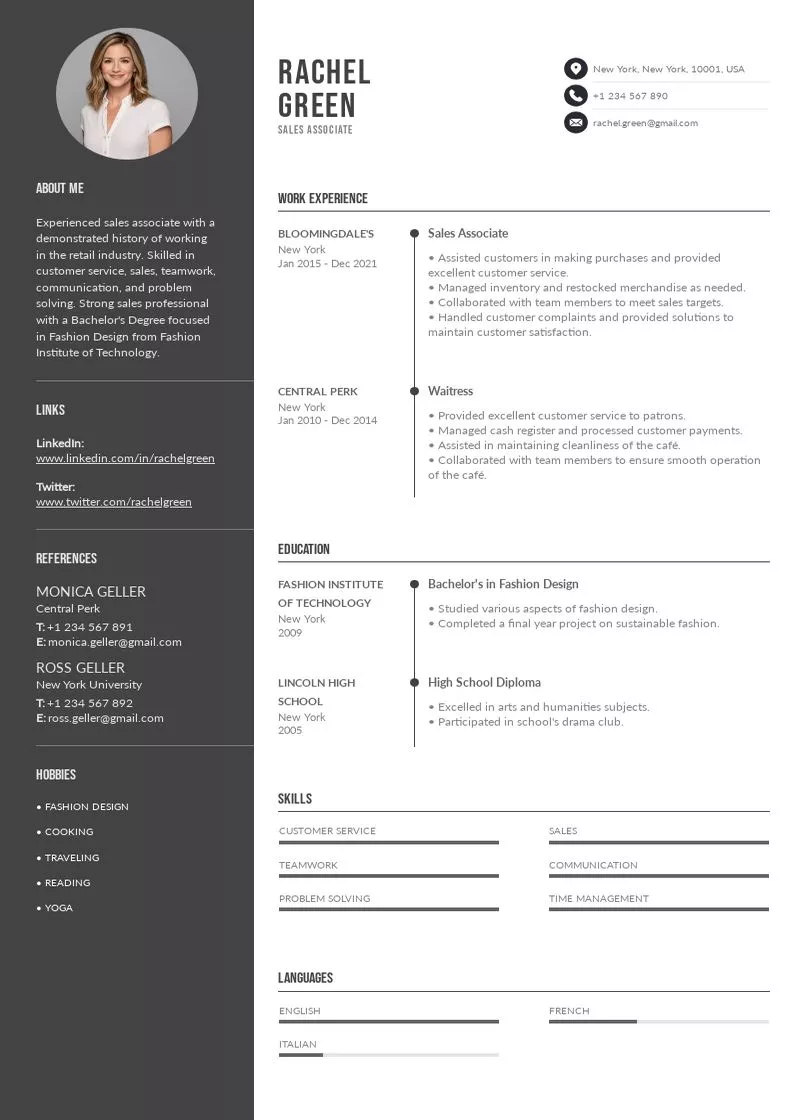

Write your resume in 15 minutes
Our collection of expertly designed resume templates will help you stand out from the crowd and get one step closer to your dream job.


In this guide, you'll learn when to request training, what to include in your letter, and how to write an effective request. You'll also find sample letters you can customize for your own situation.
Sample Letter for Requesting Additional Job Training

[Your Name]
[Job Title]
[Department]
[Date]
[Manager's Name]
[Company Name]
Subject: Request for Additional Job Training
Dear [Manager's Name],
I am writing to request approval to participate in the [Training Program Name]. This program focuses on developing skills that are directly related to my current role and responsibilities.
I believe this training will help me improve my performance by enhancing my knowledge of industry best practices and increasing my ability to contribute to team objectives. The skills gained from this program will allow me to work more efficiently and support ongoing projects more effectively.
The training is scheduled for [Date] and is offered by [Training Provider]. The total cost of attendance is [Cost]. Upon completion, I plan to apply the knowledge gained to improve workflows and share relevant insights with team members.
Thank you for considering my request. I appreciate your time and would be happy to discuss the opportunity further.
Sincerely,
[Your Name]
Why Should You Request Additional Job Training?
Additional training can help employees improve their performance, prepare for new responsibilities, and develop valuable skills. Understanding the right time to make a request can improve your chances of approval.
1. Improve Job Performance
Training can strengthen existing skills and help you perform your responsibilities more efficiently.
2. Support Career Growth
Learning new skills can prepare you for promotions, leadership roles, and long-term career advancement.
3. Prepare for New Responsibilities
Training can help you confidently manage new projects, tasks, or expanded job duties.
4. Meet Industry Requirements
Many professions require ongoing education, certifications, or compliance training to stay current and qualified.
6 Steps for Writing a Letter for Requesting Additional Job Training
Following a structured approach can help you create a professional and persuasive training request letter.
Step 1: Address the Right Person
Send the letter to the appropriate decision-maker, such as your manager, department head, supervisor, or human resources representative.
 Example:
Dear Ms. Johnson,
or
Dear Human Resources Manager,
Step 2: State Your Training Request
Clearly explain the training program you would like to attend. Mention the course name and briefly describe its purpose so the reader immediately understands your request.
Example:
I want to request approval to attend the Advanced Project Management Certification Course offered by XYZ Training Institute. The program focuses on project planning, risk management, and team coordination skills.
Step 3: Explain Why the Training Is Necessary
Describe how the training aligns with your current responsibilities or future projects. Focus on practical applications and explain how the new knowledge will help you perform your role more effectively.
Step 4: Highlight Business Benefits
Show how the organization will benefit from your participation. Employers often approve training when they see a clear connection to improved business outcomes.
Some examples include:
- Increased productivity
- Better customer service
- Improved technical skills
- Enhanced leadership abilities
- Greater compliance with industry standards
Step 5: Provide Program Information
Include important details about the training, such as cost, schedule, and delivery format. This helps decision-makers evaluate the request quickly.
Step 6: End With a Professional Closing
Close the letter respectfully by thanking the recipient and expressing appreciation for their consideration.
Example:
Thank you for considering my request. I appreciate your time and support for professional development opportunities. I would be happy to discuss this training program in more detail at your convenience.
Sincerely,
[Your Name]

How to Build a Strong Business Case for Training
Managers are more likely to approve training requests when they understand the value it will bring to the organization. When making your request, explain:
- The skills or knowledge you will gain
- How the training will improve your performance
- How it supports team or department goals
- The expected business benefits, such as improved productivity, efficiency, or reduced errors
For higher-cost programs, explain the long-term value and how you plan to apply or share the knowledge gained.
Key Elements of a Training Request Letter
A professional training request letter should be clear, concise, and focused on the benefits of the proposed training. Including the following elements can strengthen your request.
1. Clear Subject Line
A direct subject line immediately informs the recipient about the purpose of your letter.
Example:
Request for Approval to Attend Professional Training Program
2. Reason for the Training Request
Explain why you want to participate in the training and how it relates to your current responsibilities.
3. Benefits to the Company
Employers are more likely to approve training requests when they understand the return on investment. Highlight how the training will improve productivity, efficiency, or overall performance.
4. Training Program Details
Provide relevant information such as:
- Training program name
- Provider or organization
- Dates and duration
- Cost
- Expected outcomes
5. Professional Closing Statement
Thank your employer for considering your request and express your willingness to discuss the opportunity further.
How Managers Evaluate Training Requests
Before approving a training request, managers typically consider whether the program aligns with business needs and justifies the investment.
Training requests are more likely to be approved when:
- The skills are relevant to the employee's role.
- The training supports department goals.
- The benefits are clearly explained.
- The cost is reasonable compared to the expected value.
Demonstrating how the training will improve performance can strengthen your request.
Industry-Specific Training Request Examples
Different industries may require different types of training.
1. Healthcare
Healthcare professionals often request continuing education courses to stay current with regulations, patient care standards, and certification requirements.
2. Information Technology
IT professionals frequently seek certifications in areas such as cybersecurity, cloud computing, and data analytics to support evolving technology needs.
3. Manufacturing
Manufacturing employees may request safety training, equipment certification, or process improvement programs to improve efficiency and workplace safety.
4. Customer Service
Customer service professionals often benefit from training focused on communication, conflict resolution, and customer experience management.
Training Request Example: Weak vs. Strong Request
 Weak Request
"I would like to attend this training because it will help me advance my career."
Strong Request
"I would like to attend this training because it will improve my project management skills, helping me manage deadlines more effectively and contribute to successful project outcomes."
The stronger example clearly explains the benefit to both the employee and the organization.
Tips for Writing an Effective Training Request Letter
- Be specific about the training program you want to attend.
- Focus on how the training benefits both you and the organization.
- Keep your request concise and easy to review.
- Maintain a professional and respectful tone.
- Include important details such as costs, dates, and expected outcomes.
Understanding Employer-Sponsored Training Policies
Many organizations offer professional development benefits such as tuition reimbursement, certification assistance, or annual training budgets.
Before submitting a request, review your company's training policy to understand approval requirements, reimbursement procedures, and any conditions that may apply.
Following established procedures can improve your chances of receiving approval.
What to Do If Your Training Request Is Rejected
A rejected request does not necessarily mean the opportunity is unavailable permanently. If your request is denied, ask for feedback to understand the reason.
Common reasons include budget limitations, scheduling conflicts, or competing business priorities. Use the feedback to strengthen your proposal, explore alternative training options, or resubmit the request at a later date.
A professional response demonstrates initiative and a commitment to continuous learning.
Common Mistakes to Avoid
Avoiding common errors can make your training request more persuasive and professional.
- Making the Request Too Vague: Provide specific information about the training program and its expected benefits.
- Focusing Only on Personal Benefits: Emphasize how the training will also support company goals and improve your performance.
- Leaving Out Important Details: Include key information such as the training provider, cost, and schedule.
- Using an Informal Tone: Maintain a professional and respectful tone throughout the letter.
- Writing an Overly Long Letter: Keep your request concise and focused on the most important details.
Learning how to write a sample letter for requesting additional job training can help you present a professional and persuasive case to your employer. A successful request clearly explains the training opportunity, demonstrates its value to the organization, and provides all necessary details for review.
By following the structure and examples in this guide, you can create a training request letter that increases your chances of approval and advances your professional development.
Create your resume with the best templates