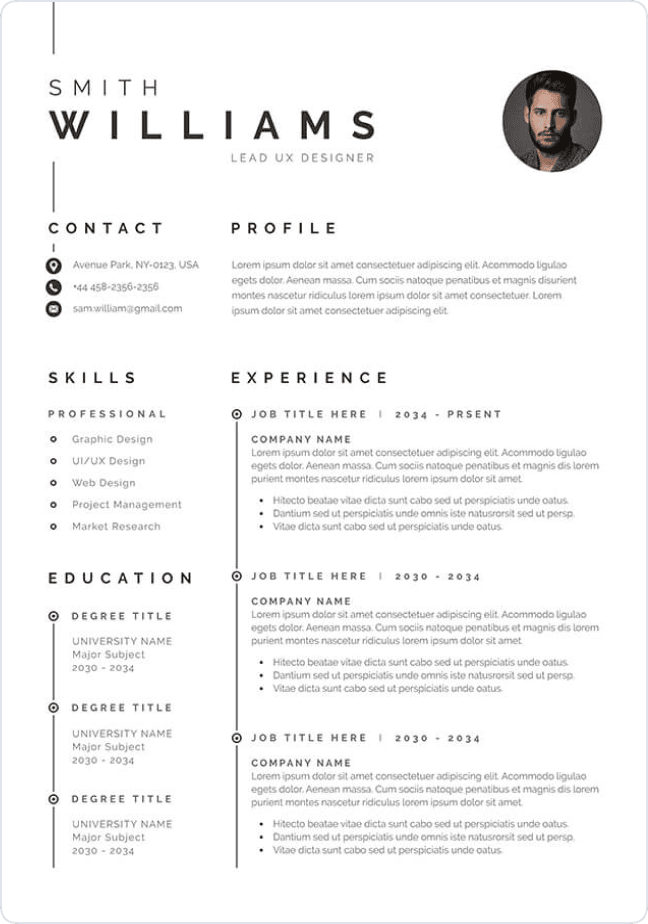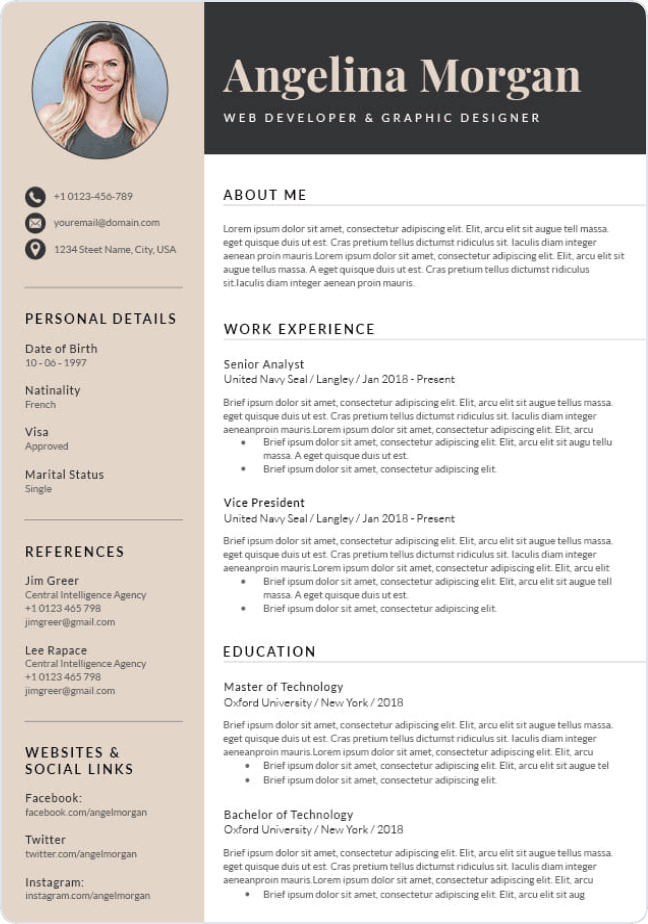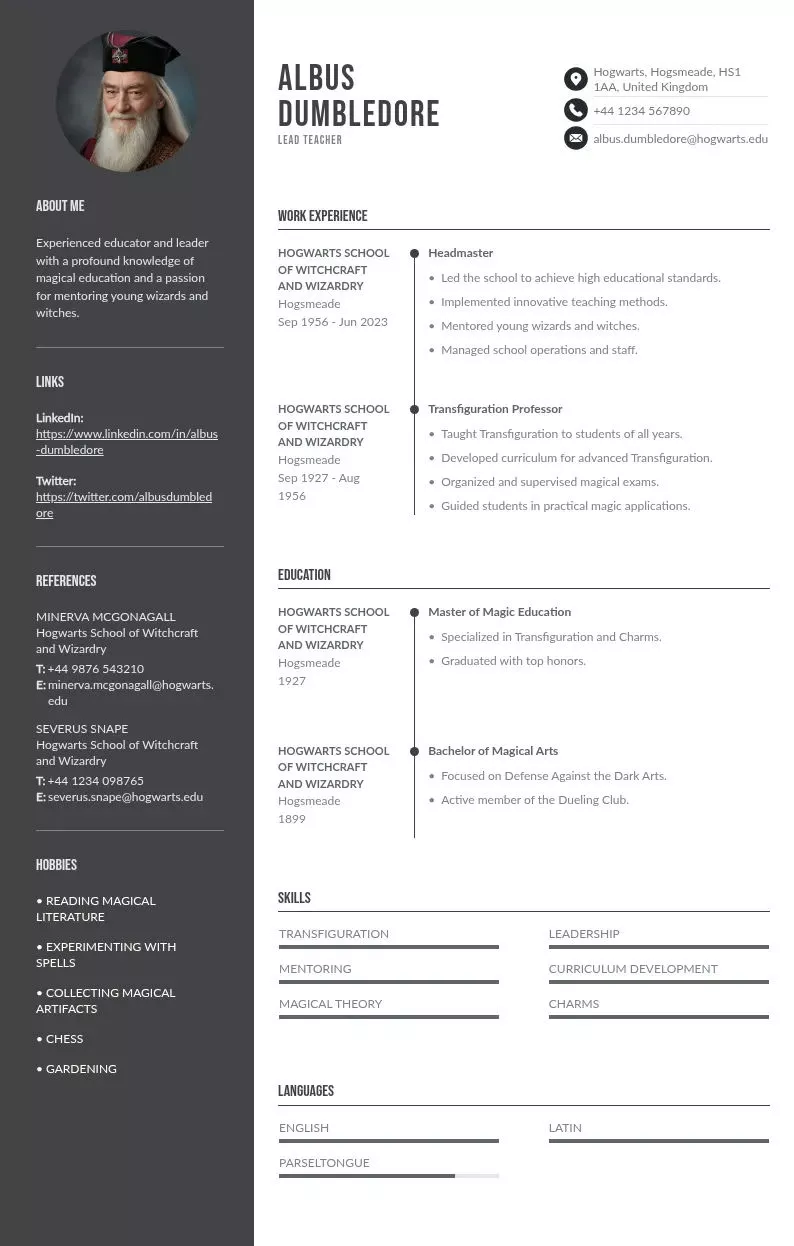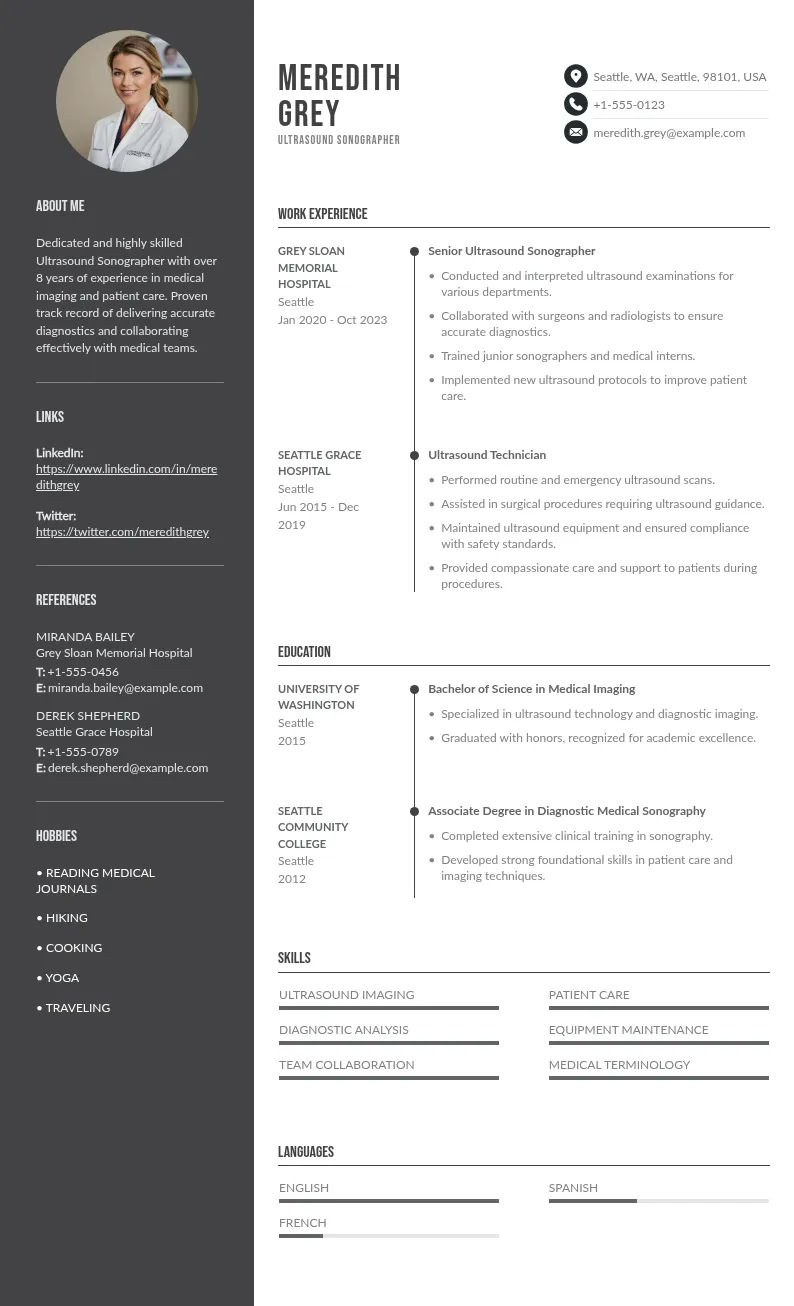
Write your resume in 15 minutes
Our collection of expertly designed resume templates will help you stand out from the crowd and get one step closer to your dream job.


This guide explains what an exit interview is, why employers conduct them, how your feedback is used, and what to prepare before your final conversation.
What Is an Exit Interview and Why Do Employers Conduct One?
It is a face to face conversation between a exiting employee and an HR representative or manager before the employee's last working day. It may take place in person, over the phone, via video call, or through an online survey, depending on how companies conduct exit interviews and collect employee feedback.
Employers conduct the exit interview process to understand why employees leave and gather feedback on their workplace experience. HR uses insights from this process to collect helpful information and identify trends, improve areas such as leadership, communication, company culture, and retention, and guide future workplace improvements. Providing constructive, fact-based feedback during the exit interview process is more valuable than emotional criticism and is more likely to lead to meaningful change.
Are Exit Interviews Confidential?
Confidentiality depends on the employer. Many organizations keep exit interview records within HR, but your comments may not always remain anonymous, especially in smaller companies.
If you're discussing sensitive issues, focus on factual events instead of assumptions or personal attacks. Professional, evidence-based feedback is more likely to be taken seriously while protecting your professional reputation.
15 Things to Prepare for Exit Interview Questions
Preparing before your exit interview allows you to communicate clearly, provide meaningful feedback, and leave your organization on a positive note. Rather than answering questions on the spot, take time to reflect on your experience and think about the key points you want to discuss.
Here are the 15 most important things to prepare before your exit interview.
1. Reflect on Your Employment Journey and Reasons for Leaving
Review your overall experience and identify the main reason for your departure, such as career growth, better compensation, or work-life balance. Keep your explanation objective and concise.
 Example:
"I've accepted a role that offers greater career growth and aligns with my long-term goals."
2. Prepare Honest but Constructive Feedback
Be honest but professional. Focus on processes rather than individuals and suggest practical improvements instead of criticizing people.
 Instead of saying:
"Management never listens to employees."
Say:
"Regular employee feedback sessions and more transparent communication from leadership could improve collaboration and help employees feel more involved in decision-making."
Constructive feedback is far more likely to be documented, discussed, and acted upon than emotional criticism.
3. List Your Most Meaningful Contributions
Exit interviews aren't only about why you're leaving. Employers may also ask about your accomplishments and the impact you made during your time with the organization.
Before the interview, think about:
- Projects you completed successfully
- Process improvements you introduced
- Goals or KPIs you achieved
- Customer or client successes
- Team initiatives you supported
- Skills you developed
Highlighting your contributions reinforces the value you brought to the company while ending your employment on a positive note.
4. Identify Workplace Challenges with Specific Examples
If workplace issues influenced your decision to leave, explain them using specific examples instead of broad statements.
For example, instead of saying:"Communication was poor."
Try saying:
"Project updates were often shared at the last minute, which created unnecessary delays and made it difficult for our team to plan effectively."
Specific examples help HR understand the issue and determine whether other employees have experienced similar challenges.
5. Prepare to Discuss Your Manager Professionally
Many exit interviews include questions about your direct manager because leadership plays a major role in employee satisfaction and retention.
When discussing management:
- Focus on behaviors rather than personalities.
- Describe situations objectively.
- Mention both strengths and areas for improvement.
- Avoid personal attacks.
For example:
"My manager was supportive during onboarding, but more consistent feedback throughout the year would have helped me grow professionally."
Balanced responses demonstrate professionalism and provide HR with actionable insights.
6. Evaluate the Company's Culture
Employers often ask how you would describe the company culture because it influences employee engagement and retention.
Think about areas such as:
- Team collaboration
- Communication
- Leadership accessibility
- Recognition programs
- Work-life balance
- Career growth
- Diversity and inclusion
Rather than making general statements, explain what shaped your experience.
For example:
"The collaborative team environment made it easy to ask for support, but communication between departments sometimes slowed project delivery."
This type of feedback is more valuable than simply saying the culture was "good" or "bad."
7. Review Training and Career Development
Consider whether the organization provided the resources you needed to succeed.
Think about:
- Onboarding
- Technical training
- Mentorship
- Career progression
- Professional development
- Learning opportunities
If improvements are needed, explain how they could benefit future employees.
Example:
"A structured mentorship program during the first three months could help new employees become productive more quickly."
Suggestions like these are often more useful than simply pointing out shortcomings.
8. Be Ready to Discuss Compensation and Benefits
Compensation is one of the most common reasons employees change jobs, so don't be surprised if HR asks whether salary or benefits influenced your decision.
Answer honestly while remaining professional.
For example:
"Compensation was one factor in my decision, but I was also looking for greater opportunities to advance my career."
Avoid framing the conversation as a salary complaint. Instead, explain how compensation fits into your overall career goals.
9. Think About What Motivated You to Stay
Share the positive aspects of your experience, such as supportive coworkers, meaningful work, learning opportunities, flexible work arrangements, or a positive culture. This helps employers understand what they should continue doing.
10. Prepare Questions About Your Departure
Use the interview to clarify important employment details, including your final paycheck, unused leave, benefits, retirement accounts, company equipment, tax documents, and employment verification.
11. Know What Not to Say During an Exit Interview
While honesty is encouraged, certain comments can undermine your credibility or shift the conversation away from constructive feedback.
Avoid:
- Personal insults or attacks
- Gossip about coworkers
- Exaggerated claims
- Sharing confidential company or client information
- Making accusations without evidence
- Threatening legal action unless you're formally reporting a serious issue
Instead, focus on facts, explain how situations affected your work, and suggest practical improvements whenever possible.
12. Prepare for Different Exit Interview Scenarios
Every employee leaves for different reasons, so it's helpful to think about how you'll explain your situation before the interview.
If you're leaving for a higher salary
"The new position offers compensation that better reflects my experience while also providing additional opportunities for professional growth."
If you're leaving because of management challenges
"I experienced some communication challenges with management. I hope this feedback helps strengthen leadership support for future employees."
If you're leaving after only six months
"Although I appreciated the opportunity, I realized the role wasn't the right long-term fit for my career goals."
If you're leaving on difficult terms
"There were challenges during my time here, but I appreciate the experience and hope my feedback contributes to future improvements."
Preparing responses for your specific situation helps you remain calm and professional during the conversation.
13. Understand How Your Feedback May Affect Future Rehire Opportunities
Many organizations maintain relationships with former employees and actively recruit experienced staff back into the company. These individuals are often called boomerang employees.
While an exit interview alone rarely determines whether you'll be rehired, your professionalism throughout the resignation process can influence future opportunities.
Leaving respectfully may help you:
- Maintain strong professional references
- Preserve relationships with managers and coworkers
- Increase the likelihood of being considered for future roles
- Protect your professional reputation within your industry
Even if you're leaving because of workplace challenges, remaining respectful benefits your long-term career.
14. Plan Your Closing Message
Before your interview, decide on one key message you want HR to remember after the conversation.
A thoughtful closing should balance appreciation with constructive feedback.
Example:
"I'm grateful for the opportunities I had to develop my skills and work with a talented team. I believe improving communication between departments could make the employee experience even stronger."
Ending the interview on a positive and professional note leaves a lasting impression.
15. Stay Calm and Focus on Solutions
Keep the conversation constructive by explaining what happened, how it affected your work, and what improvements you recommend. A solution-focused approach provides valuable feedback while demonstrating professionalism.

Sample Exit Interview Scenarios
Every exit interview is different because employees leave for different reasons. Preparing for your specific situation can help you answer questions confidently while keeping the conversation professional and constructive.
Leaving for Better Career Opportunities
HR: What influenced your decision to leave?
Employee: "I've accepted a position that offers greater career growth, new responsibilities, and opportunities that better align with my long-term goals."
Leaving for Higher Compensation
HR: Was salary a factor in your decision?
Employee: "Compensation was one consideration, but I was also looking for a role with stronger career progression and greater professional development."
Leaving Because of Management Challenges
HR: Could you share any challenges you experienced?
Employee: "There were occasional communication issues within the team. More consistent feedback and clearer expectations would help improve the employee experience."
Leaving After a Short Time
HR: Why are you leaving after only a few months?
Employee: "Although I appreciated the opportunity, I realized the position wasn't the right fit for my long-term career goals. I'm grateful for the experience I gained during my time here."
Leaving on Difficult Terms
HR: Is there anything you'd like us to improve?
Employee: "There were several challenges that influenced my decision to leave. I hope my feedback helps improve communication and support for future employees."
Preparing responses like these can help you stay calm, answer difficult questions professionally, and leave a positive final impression.
Exit Interview Mistakes to Avoid
An exit interview is your final opportunity to leave a positive professional impression. While employers encourage honest feedback, the way you communicate is just as important as what you say.
Avoid these common mistakes during your exit interview:
- Letting emotions control the conversation.
- Turning the interview into a complaint session.
- Criticizing coworkers or managers personally.
- Making accusations without evidence.
- Giving vague feedback without examples.
- Sharing confidential company or client information.
- Burning professional bridges before you leave.
Instead, explain your experiences objectively, support your feedback with specific examples, and suggest practical improvements whenever possible. A respectful, solution-focused conversation is more likely to be valued by HR and can help preserve professional relationships long after you leave the organization.
Conclusion
An exit interview is your opportunity to leave a lasting professional impression while helping your employer improve the workplace. By preparing thoughtful responses, giving constructive feedback, and focusing on solutions rather than emotions, you can protect your professional reputation and maintain valuable relationships.
Whether you're leaving for career growth, better compensation, or a new opportunity, a well-prepared exit interview allows you to close this chapter with confidence and professionalism.
Create your resume with the best templates